


What Pontoon Owners Miss About Sun and Wind Exposure
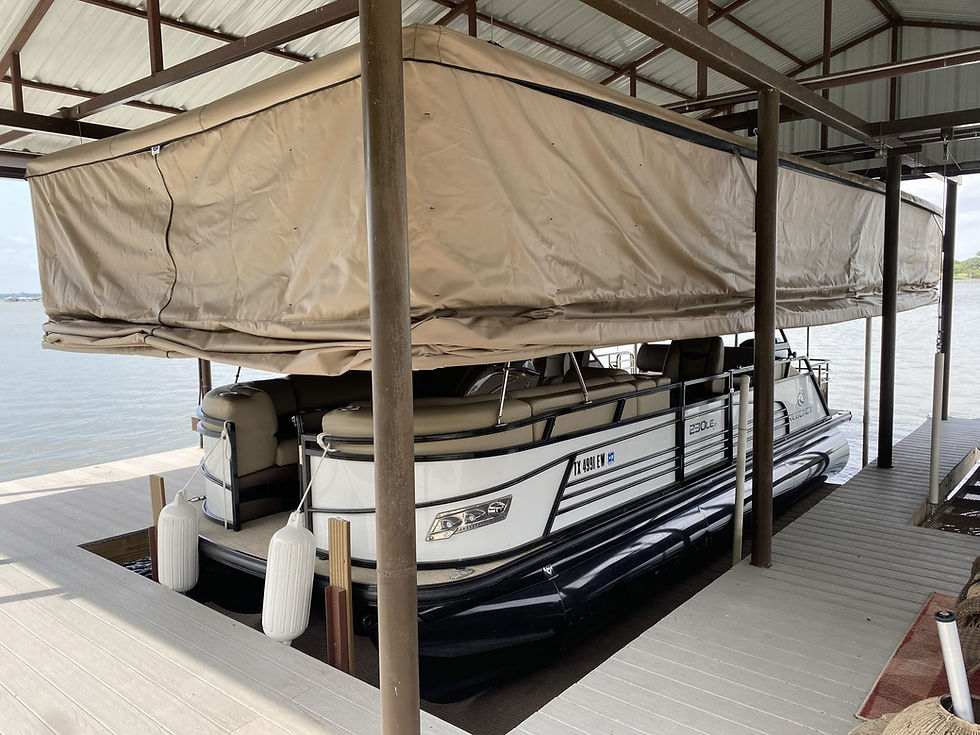
Pontoon owners often notice sun damage after the easy clues have already passed. A seat feels chalky. A floor section looks dull. The helm has a thin film on it. A strap mark appears where a loose item kept rubbing. Sun and wind do not need one dramatic storm to cause trouble. They can wear down the interior through small daily contact, open exposure, and gear left in the wrong place.
Wind moves more than air
Wind carries grit, leaf fragments, pollen, salt spray, and dry soil into open seating areas. The California Air Resources Board notes that windblown dust often includes PM10 particles, with higher concentrations common downwind of loose or disturbed soils during wind events. On a pontoon, that fine material lands on vinyl, flooring, screens, switches, cup holders, and storage lids.
Avoid wiping dusty surfaces right away. First, lift loose grit with a soft brush, vacuum, or clean cloth. Rubbing dry particles across a seat or helm screen can create dull wear over time. After the loose debris is gone, wipe contact areas with the cleaner your boat material manufacturer suggests.
Sun exposure changes throughout the day
A pontoon may look shaded in the morning, then sit open to hard afternoon sun. The National Weather Service marine forecast pages for California coastal zones track wind, weather, and marine conditions because conditions can shift through the day. Even inland lake owners should think the same way. The boat is not sitting in one weather moment. It is sitting through hours of angle changes, reflected light, and moving air.
Seats, armrests, table edges, and steering wheels need the closest attention because people touch them most. Sunscreen, sweat, snacks, drinks, and lake water can dry onto those surfaces. Once heat bakes residue into vinyl or textured flooring, cleaning gets harder.
Heat can make loose gear part of the problem
A towel, life jacket, cable, sandal, or dry bag can leave a mark if it sits in one place too long. Wind shifts the item. Sun heats the surface under it. Dust collects around its edge. Later, the owner moves it and sees a clean outline, a rub mark, or trapped dirt.
Before leaving the dock, lift gear off seats and the helm area. Shake out dry towels away from the boat. Keep charging cords and sunglasses off the dash. Store life jackets where they can dry and stay easy to reach.
Do not forget safety gear while checking the interior
Interior protection should not block safe boat use. California State Parks says sun damage can happen even on cloudy days and recommends shade, broad-spectrum sunscreen, protective clothing, hats, and UV-blocking sunglasses for people outdoors. That same attention to sun should remind owners to keep passenger gear organized.
The California Division of Boating and Waterways states that a Coast Guard-approved life jacket must be carried for each person on board and, when stored, must be readily available. Do not bury required gear under covers, bags, boards, or storage clutter while trying to tidy the pontoon.
Weather checks belong in the storage routine
Wind and sun are not separate from boating safety. California State Parks Division of Boating and Waterways advises boat owners and marina operators to stay storm ready through winter and spring. Their winter storm boating safety guidance also tells boaters to check required safety equipment, including visual distress signals, sound devices, and serviceable life jackets.
That advice fits a pontoon owner’s dock routine. Before walking away, check the forecast, remove loose items, dry the helm, and secure the areas that would catch wind first. A quick look at seat corners, the dash, cup holders, and storage openings can prevent an easy mess from becoming the next cleanup.
When local cover planning helps
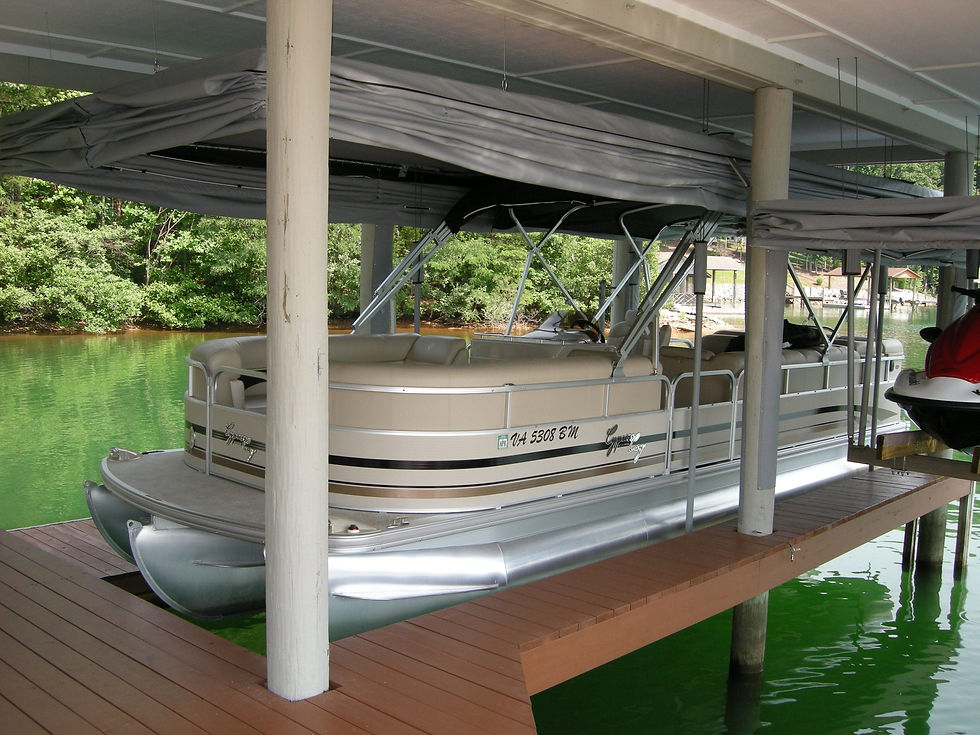
Southern California boat owners may deal with bright sun, inland dust, coastal moisture, and wind in the same season. A cover plan should match the slip, lift, roofline, access path, and the way the pontoon is used. Loose canvas can help, but it can also drag grit across surfaces when the boat has not been cleaned first.
For related local reading, see Stop Wrestling a Sun-Baked Boat Cover in Southern California’s Brutal Heat. Owners who want to check fit and service context can also visit the Touchless Cover Southern California about page.
Look for the quiet wear points
The easiest damage to miss is not always the biggest. Check where wind leaves grit, where sun dries residue, where gear rubs, and where safety items get buried. A pontoon interior stays easier to use when owners treat sun and wind as daily storage issues, not just forecast details before the next ride starts and guests step aboard safely.
Comments