


How Lake Dust and Sun Wear Down Pontoon Interiors
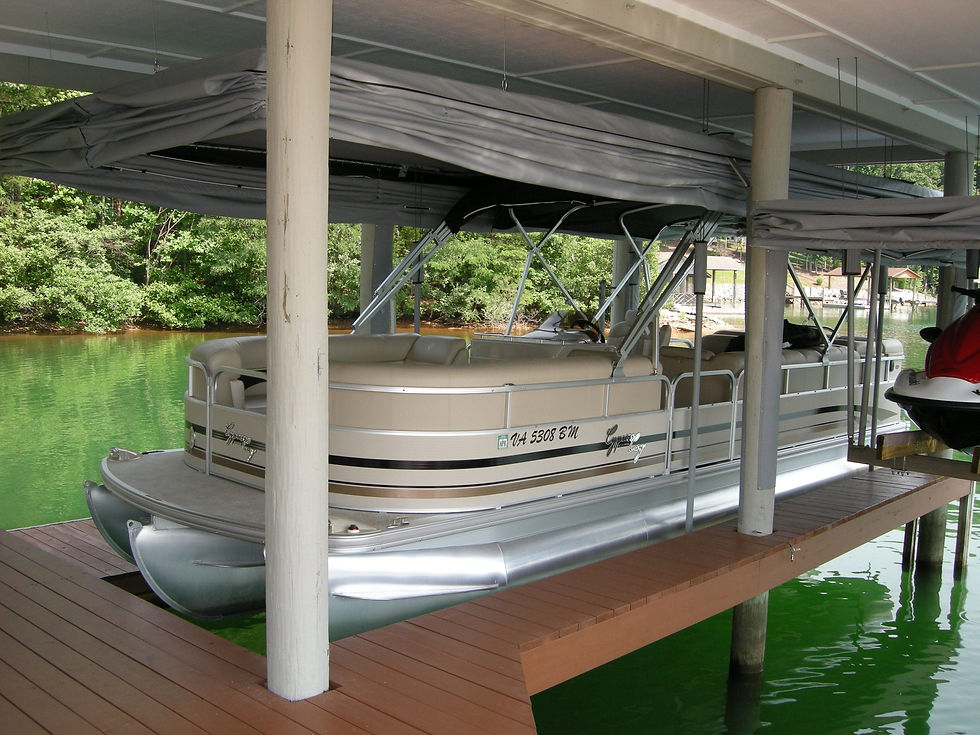
A pontoon can sit in a sunny slip for days and collect unexpected grit. The damage does not always start with a spill or a storm. It can start with dry dust on vinyl, glare on the helm, pollen in seams, and tiny sand particles that move when someone sits, steps, or pulls gear across the deck.
Dust acts like a slow abrasive
Lake dust looks harmless until it gets dragged across seats and flooring. Wind carries fine grit from dry banks, parking areas, roads, and open lots. Once it settles on cushions, armrests, table bases, and floor texture, it can scratch, dull, and grind into soft surfaces.
Before wiping anything, remove loose debris first. Use a soft brush, handheld vacuum, or clean towel to lift grit instead of pushing it around. This matters on darker vinyl, helm screens, and flooring, where fine particles can leave dull spots after repeated contact.
Sun dries out the surfaces people touch most
Strong sun does more than make seats hot. It can dry residue from sunscreen, drinks, sweat, fish bait, snacks, and lake water into the material. When dust lands on top of that residue, the surface becomes harder to clean and easier to stain.
Southern California boat owners deal with that mix often, especially when a pontoon sits near dry hills, wind corridors, or inland lakes. The fix is not complicated. Wipe contact areas before the residue bakes in. Seat tops, armrests, cup holders, steering wheels, and table edges deserve quick attention after use.
Industry growth makes interior care more common
Pontoon care matters because the category keeps drawing owners who use these boats often. The NMMA listed new pontoon boats among the 2024 volume leaders, with an estimated 52,000 to 55,000 new units. Boating Industry reported the same sales range from NMMA’s 2024 data.
The registered fleet is large too. Info-Link Technologies reports about 1.3 million pontoon boats registered in the U.S., with over half purchased new or pre-owned during the past five years. Pontoon and Deck Boat Magazine remains a focused source for the category, while Global Market Insights places the broader pontoon market in the multi-billion-dollar range. More pontoons in regular use means more owners facing the same interior wear.
The helm needs dust control too
A dusty helm can age faster than it should. Screens collect film. Buttons hold grit around the edges. Charging ports and cup holders become small traps. A dry towel can move dust into those tight areas instead of removing it.
Start with loose dust, then wipe. Keep cables off the dash when possible. Remove hats, paper, food wrappers, and damp towels before closing the boat. If the screen has manufacturer care instructions, follow them instead of using a random dock box cleaner.
Flooring and storage catch what seats miss
Pontoon flooring holds dust differently from smooth fiberglass. Texture gives feet traction, but it also gives grit a place to sit. Sand under coolers, chairs, tackle boxes, and wet ropes can rub into the surface during the ride home or the next launch.
Lift movable gear before sweeping or rinsing. Empty storage spots that hold sandy towels or damp ropes. Check under seat bases where dust and leaves collect. These small checks help keep the interior from feeling dirty at the outset of the next trip.
Do not turn dust into mud
A fast rinse can help, but only if the water has somewhere to go and the boat has time to dry. If dust and pollen sit in seams, adding water can turn them into sticky residue. Clean in the right order. Remove dry debris first. Wipe contact points next. Rinse only where it makes sense, then let air move through the deck before closing everything up.
Where Touchless Cover® fits
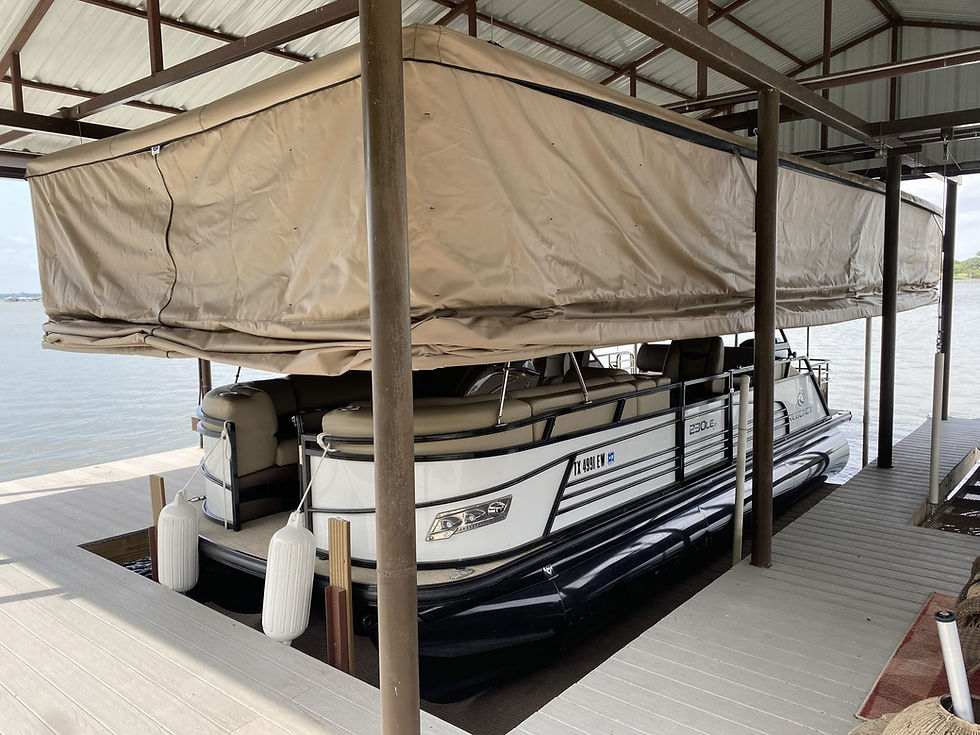
A cover system works best when it supports the cleaning work instead of hiding the mess. Loose canvas can protect a pontoon, but dragging it across dusty seats may move grit over the same surfaces owners are trying to protect. Owners who want a faster storage step can review Touchless Cover Southern California boat care tips for related local guidance.
A planned cover setup can also match the dock, lift, and daily access points. The Touchless Cover Southern California about page gives owners a place to check service context for answers about how a cover would fit their storage area.
Keep the interior ready between rides
Pontoon interiors wear down when dust, heat, and use stack up. Remove grit before wiping. Clean sunscreen and food residue before sun hardens it. Give the helm, floor, and storage the same care as the seats. The goal is simple. Leave the pontoon ready for the next ride, simple, regular, maintenance makes the next ride a breeze.
Comments